U.S.-Iran War Escalates as New Strikes Raise Fears of a Wider Middle East Conflict
July 20, 2026 — Washington, D.C.
One of the most important events affecting the United States right now is the renewed escalation of the war between the United States and Iran, as new military strikes, Iranian retaliation, American military casualties, and growing threats to global energy supplies raise fears that the conflict could expand even further across the Middle East.
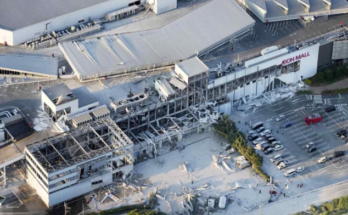
The United States conducted a new round of airstrikes against Iran on Monday after announcing the death of another American service member. Iran responded with attacks targeting Kuwait and Bahrain, two important U.S. partners in the Gulf region. Bahrain is also home to the U.S. Navy’s 5th Fleet, making the latest developments particularly significant for American military interests.
The escalation comes at a dangerous moment in the conflict. Thousands of U.S. military personnel remain deployed throughout the Middle East, and continued attacks and retaliation could put additional American forces at risk.
At the same time, the consequences of the conflict are increasingly being felt by ordinary Americans at home, particularly through higher energy costs. U.S. gasoline prices have climbed back above an average of $4 per gallon as renewed fighting disrupts energy flows through the Strait of Hormuz, one of the world’s most important routes for oil transportation.
New U.S. Strikes and Iranian Retaliation
The latest American military action represents another escalation in a conflict that has already resulted in significant casualties and growing regional instability.
According to the Associated Press, the United States launched additional airstrikes against Iran following the announcement of another American service member’s death. Iran then retaliated with attacks on Kuwait and Bahrain.
The exchange demonstrates how quickly the conflict can spread beyond the borders of Iran.
Countries throughout the Gulf host American military forces, bases, and strategic facilities. An expansion of Iranian attacks against these countries could create new security challenges for Washington and its allies.
For U.S. leaders, the situation presents a difficult military and political challenge. Washington wants to protect American forces and respond to attacks, but every additional strike carries the possibility of further retaliation.
This creates a dangerous cycle in which one attack leads to another, increasing the possibility of a prolonged regional conflict.
American Military Deaths Increase Concerns
The human cost of the conflict is also becoming increasingly important.
The Associated Press reports that 17 U.S. service members have died in the Iran war, reflecting the growing dangers facing American military personnel involved in a conflict fought largely through air power and long-range attacks.
The deaths of American troops are likely to increase public attention on the war and raise questions about the future of U.S. military involvement.
Americans may increasingly ask how long the conflict will continue, what objectives the United States hopes to achieve, and whether diplomatic negotiations can bring the fighting to an end.
For military families, the situation is especially serious as American forces stationed across the region remain vulnerable to further attacks.
A Possible 10-Day Ceasefire
Despite the military escalation, diplomatic efforts are continuing.
Mediators have reportedly presented Iran with a proposal that could provide a temporary path toward de-escalation. According to Reuters, the proposal would offer a 10-day ceasefire to create an opportunity to revive an interim agreement between the United States and Iran.
A temporary ceasefire could be an important first step toward reducing the violence.
If both sides agree to stop military operations, even for a limited period, diplomats could have an opportunity to negotiate and address some of the disagreements driving the conflict.
However, reaching an agreement remains uncertain.
After military casualties and repeated attacks, leaders on both sides may face pressure to continue demonstrating strength rather than compromise.
The success or failure of the ceasefire proposal could therefore become one of the most important developments to watch in the coming days.
Gasoline Prices Rise Above $4
The conflict is also having increasingly visible economic consequences in the United States.
U.S. gasoline prices crossed the $4-per-gallon mark on Monday as renewed hostilities between the United States and Iran continued to disrupt energy flows through the Strait of Hormuz.
The Strait of Hormuz is a narrow but strategically critical waterway connecting the Persian Gulf with international shipping routes. A significant amount of the world’s oil supply passes through the area.
Any disruption to shipping can create uncertainty about global energy supplies and push oil prices higher.
For American consumers, higher oil prices often mean higher gasoline prices.
Families that depend on cars for commuting, school, shopping, and other daily activities could face increased transportation expenses. Businesses that rely on trucking, shipping, aviation, and manufacturing may also experience higher operating costs.
If those costs continue to rise, companies could eventually pass some of the additional expenses on to consumers.
This means that the war could potentially contribute to broader inflationary pressures in the U.S. economy.
A Growing Threat to Global Trade
The conflict is no longer affecting only the Persian Gulf.
Yemen’s Iran-aligned Houthi movement announced Monday that it was imposing a naval blockade on Saudi Arabia, potentially opening another front in the conflict and creating additional risks for international shipping and global energy supplies.
The development is significant because major shipping routes in and around the Middle East are essential to the global economy.
If commercial vessels face increased security risks, shipping companies may be forced to change routes, delay deliveries, or pay higher insurance and security costs.
These disruptions could eventually affect the prices and availability of goods around the world.
For the United States, protecting international shipping routes is therefore both a national security concern and an economic priority.
Why This Matters to Americans
The U.S.-Iran conflict is one of the most important stories for Americans to follow because its consequences extend far beyond the battlefield.
First, American military personnel are directly involved and have already lost their lives.
Second, the conflict threatens important U.S. allies and military partners across the Middle East.
Third, disruptions to global oil supplies are contributing to higher gasoline prices in the United States.
Fourth, a wider regional war could create additional instability in financial markets and international trade.
Finally, the conflict presents American leaders with difficult choices about how to balance military action with diplomatic efforts.
What Happens Next?
The coming days could be critical.
Attention will focus on whether Iran launches additional attacks against American forces or U.S. allies and whether Washington responds with further military action.
Diplomatic efforts surrounding the proposed 10-day ceasefire will also be closely watched. If the proposal succeeds, it could provide an opportunity to reduce tensions and reopen negotiations.
If diplomacy fails, however, another cycle of attacks and retaliation could push the conflict into an even more dangerous phase.
The situation around the Strait of Hormuz and other major shipping routes will also remain important. Continued disruptions could place additional pressure on oil supplies and keep U.S. gasoline prices elevated.
For Americans, the conflict has become both a foreign-policy crisis and a domestic economic concern.
As of Monday, July 20, the central question is whether the United States and Iran can find a path toward de-escalation—or whether continued military confrontation will draw more countries into a wider Middle East war.
With American troops at risk, gasoline prices rising, and global energy supplies under pressure, the decisions made in the coming days could have major consequences not only for the Middle East but also for millions of people across the United States and around the world.