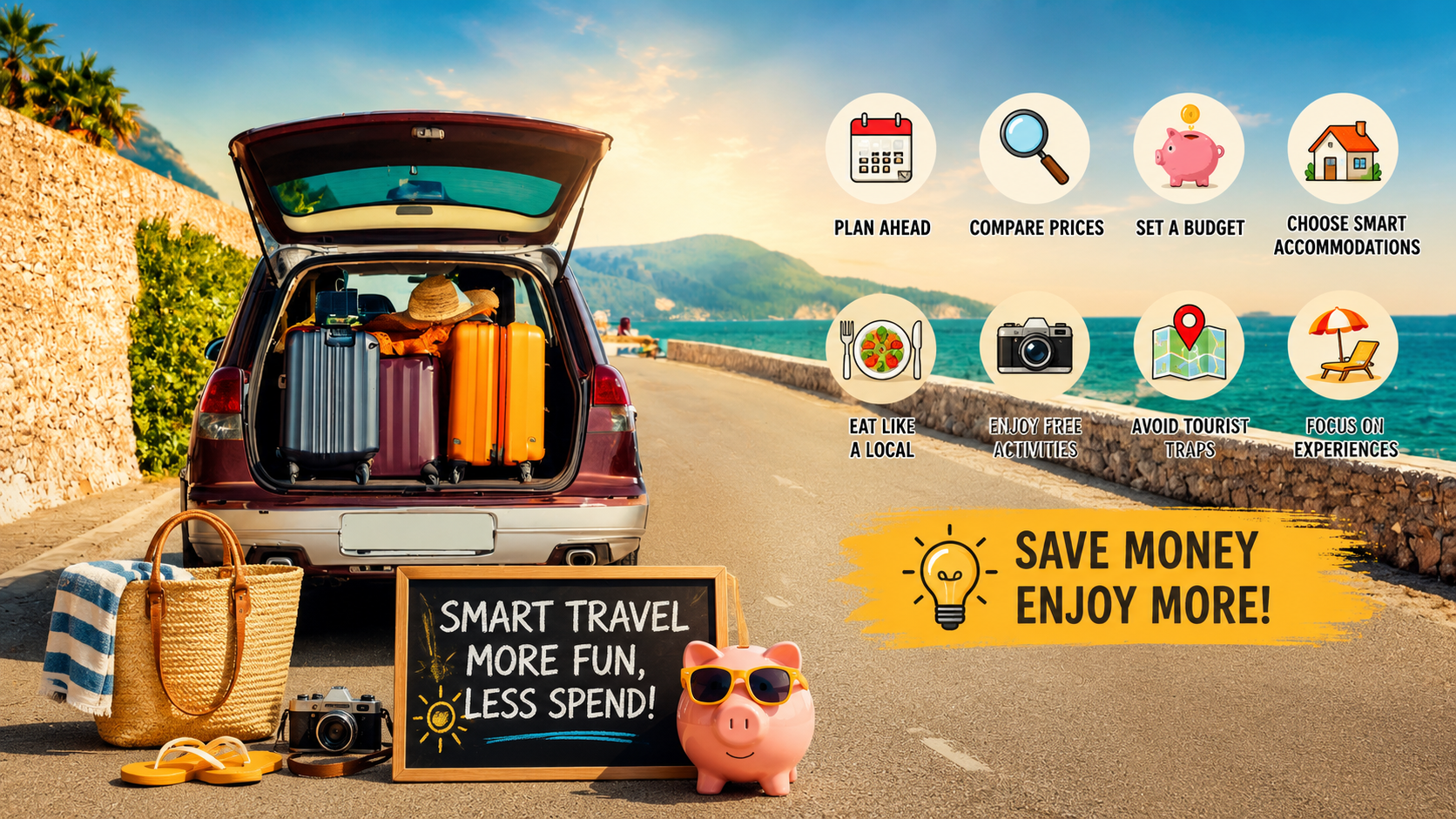
How to Save Money on Your Summer Vacation Without Missing the Fun
Summer vacations are a great opportunity to relax, spend time with family and friends, and explore new places. But travel expenses can add up quickly. Airfare, hotels, rental cars, restaurants, attractions, and small purchases can turn an affordable trip into an expensive one.
Fortunately, saving money does not mean giving up everything that makes a vacation enjoyable. With thoughtful planning, you can reduce unnecessary expenses while still having a memorable summer trip.
Here are 10 practical ways to save money on your summer vacation without missing the fun.
1. Set a Vacation Budget Before You Leave
Start by deciding how much you can comfortably spend on the entire trip.
Divide your budget into major categories such as transportation, accommodations, food, activities, shopping, and emergency expenses.
For example, if your total vacation budget is $2,000, decide in advance how much you are willing to spend on hotels and transportation before booking anything.
Having a clear limit can prevent small expenses from quietly pushing the trip beyond what you can afford.
2. Be Flexible With Travel Dates
Travel prices can change significantly depending on the day, week, and destination.
If possible, compare several departure and return dates instead of automatically traveling on the most popular weekend.
Midweek flights may sometimes be less expensive, and traveling just before or after the busiest periods can potentially reduce airfare and accommodation costs.
However, prices vary considerably, so compare the total trip cost rather than assuming a particular day will always be cheaper.
3. Compare Airports and Transportation Options
Before buying airline tickets, check whether there are alternative airports near your origin or destination.
A nearby airport may offer a cheaper flight, but remember to calculate additional transportation, parking, baggage, and travel-time costs.
For shorter trips, compare flying with driving, buses, or trains.
The cheapest ticket is not necessarily the cheapest overall journey.
4. Look Beyond Traditional Hotels
Hotels are only one accommodation option.
Depending on your destination and group size, vacation rentals, hostels, cabins, campgrounds, or hotels outside the tourist center may offer better value.
Families can particularly benefit from accommodations with a kitchen.
Even preparing breakfast and one additional meal each day can reduce restaurant spending substantially over a week.
5. Eat Like a Local—and Prepare Some Meals Yourself
Food is part of the fun of traveling, so you do not need to avoid restaurants completely.
Instead, choose which meals are worth spending more on.
Have a simple breakfast at your accommodation, pack snacks or lunch, and enjoy a local restaurant for dinner.
You can also explore food trucks, farmers markets, bakeries, neighborhood restaurants, and grocery stores instead of eating exclusively in major tourist districts.
This strategy lets you experience local food while keeping your budget under control.
6. Find Free Things to Do


Some of the best vacation experiences cost little or nothing.
Depending on the destination, look for:
- Beaches and public parks
- Hiking and walking trails
- Historic neighborhoods
- Free concerts and festivals
- Scenic drives
- Public markets
- Free museum days
- Waterfront areas
- Community events
Before traveling, check the destination’s official tourism calendar. You may discover free events happening during your visit.
A day at a beautiful beach can be just as memorable as an expensive attraction.
7. Don’t Overpay for Rental Cars
A rental car can be useful, but it is not necessary for every vacation.
If your hotel is near restaurants and major attractions, consider whether you can walk, use public transportation, or use occasional rideshare trips instead.
If you do need a rental vehicle, compare the final price including taxes and fees, not simply the advertised daily rate.
Also check what insurance coverage you may already have before paying for additional coverage you don’t need.
8. Avoid Paying Tourist Prices for Everything
Tourist areas are convenient, but convenience can come at a premium.
Restaurants, convenience stores, souvenir shops, and parking located directly beside major attractions may cost more than alternatives a short distance away.
Explore surrounding neighborhoods where appropriate.
You might discover better food, interesting local businesses, and a more authentic experience while spending less.
9. Be Smart About Souvenirs
Souvenirs can quickly become an unexpected expense, especially when traveling with children.
Decide on a souvenir budget before the trip.
Instead of buying something at every attraction, consider purchasing one meaningful item from the entire vacation.
Photos can also become some of the best souvenirs—and taking them usually costs nothing.
10. Spend Money on What Matters Most to You
Saving money does not mean choosing the cheapest possible option every time.
The goal is to spend less on things you don’t care about so you can spend more on experiences you do care about.
If your family loves theme parks, spend money on the theme park and save by preparing breakfast at your hotel.
If food is the highlight of your vacation, choose a few excellent restaurants and save money with free outdoor activities.
If you love exploring nature, spend on comfortable accommodations or transportation while filling your days with hiking, beaches, and scenic drives.
This approach makes budgeting feel less like deprivation.
A Simple Example of Vacation Savings
Imagine a family taking a five-day vacation.
They might save:
$150 by choosing more flexible travel dates,
$250 by staying slightly outside the main tourist district,
$200 by preparing breakfast and some lunches,
$100 by replacing one paid attraction with free activities, and
$100 by controlling souvenir and convenience spending.
That’s potentially $800 in savings without eliminating the main experiences they wanted from the vacation.
Actual savings will naturally vary depending on the destination, family size, travel dates, and transportation choices.
Don’t Let a Cheap Price Create an Expensive Trip
There is one important mistake to avoid when planning a budget vacation: focusing only on the advertised price.
A $99 airline ticket may become considerably more expensive after baggage, seat selection, airport transportation, and other charges.
Similarly, an inexpensive hotel far outside the city could require costly transportation every day.
Always compare the total cost, not just the headline price.
The Bottom Line
A great summer vacation does not have to be a luxury vacation.
Plan early, compare prices, stay flexible, look for free activities, control food expenses, avoid unnecessary fees, and prioritize the experiences that matter most to you.
Most importantly, remember why you are traveling.
Years from now, you probably won’t remember whether you ate breakfast at an expensive restaurant every morning. You are much more likely to remember watching the sunset at the beach, exploring a new town, laughing with your family, or discovering somewhere you had never been before.
Saving money and having fun do not have to be opposites. With smart planning, you can do both.