10 Things You Should Declutter From Your Home Today
A cluttered home can make everyday life feel more complicated than it needs to be. When closets are overflowing, kitchen cabinets are packed, and drawers are filled with things you rarely use, finding what you actually need becomes harder.
Decluttering does not mean throwing away everything you own or creating a perfectly minimalist home. The goal is much simpler: keep the things that are useful, meaningful, or enjoyable and responsibly remove what no longer serves you.
If you are ready to create more space, here are 10 things you can start decluttering today.
1. Clothes You No Longer Wear
Your closet is one of the easiest places to begin.
Look for clothes that no longer fit, are uncomfortable, are damaged beyond reasonable repair, or simply have not been worn for a long time.
Ask yourself:
“If I saw this in a store today, would I still want to buy it?”
If the answer is no, consider donating, selling, recycling, or responsibly disposing of it.
Removing unused clothing makes it easier to see and enjoy the pieces you actually wear.
2. Expired Food
Check your refrigerator, freezer, pantry, and kitchen cabinets.
You may discover expired products, spoiled food, old leftovers, or ingredients that have been sitting unused for years.
Discard food that is unsafe to eat and organize what remains by category. Place products that should be used soon where you can easily see them.
This can create more kitchen space while also helping reduce future food waste.
3. Old Papers and Receipts
Paper clutter accumulates surprisingly quickly.
Old shopping receipts, advertisements, junk mail, outdated notes, manuals, and unnecessary documents can fill drawers and countertops.
Recycle papers you no longer need. Important documents—such as certain tax, insurance, property, medical, or financial records—should be retained for the appropriate period rather than automatically discarded.
For documents containing sensitive personal information, shredding is safer than simply putting them in the trash.
4. Expired Medicines and Toiletries
Bathroom cabinets are another common source of clutter.
Check medicines, cosmetics, sunscreen, skincare products, and toiletries. Remove products that are expired, empty, contaminated, or no longer used.
However, medications should be disposed of properly rather than automatically thrown in the trash or flushed down the toilet. Follow local disposal guidance or use an authorized medication take-back program when available.
Once finished, organize frequently used products where they are easy to reach.
5. Broken Electronics and Old Cables
Do you have a drawer filled with mysterious cables from devices you no longer own?
Old phones, chargers, headphones, batteries, keyboards, computer accessories, and other electronics can remain in homes for years.
Keep cables you can identify and genuinely expect to use. Consider recycling obsolete electronics through an appropriate electronics recycling program.
Before recycling or selling phones, computers, or storage devices, make sure your personal information is securely removed.
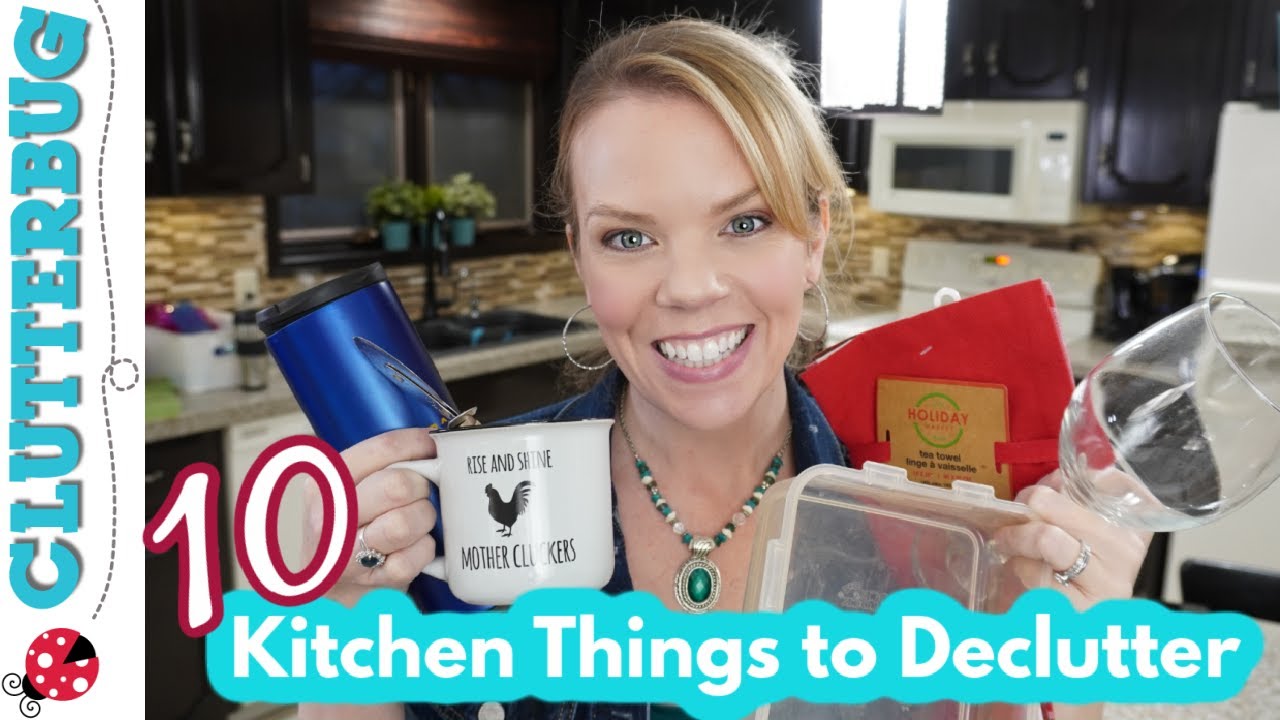
6. Kitchen Gadgets You Never Use
Kitchen cabinets can easily become crowded with gadgets purchased for one specific recipe or trend.
Look for duplicate utensils, unused appliances, damaged cookware, extra mugs, storage containers without matching lids, and gadgets you rarely touch.
If something has been sitting unused for years, consider whether it deserves valuable kitchen space.
Donate usable items and recycle or dispose of damaged ones appropriately.
7. Unused Beauty and Personal-Care Products
Many bathrooms contain partially used bottles of shampoo, lotion, perfume, makeup, and skincare products.
If you tried a product and disliked it, keeping it for another three years probably will not make you suddenly love it.
Dispose of old or questionable products appropriately and keep the products you genuinely use.
A cleaner bathroom counter can also make your morning routine simpler.
8. Toys and Games Nobody Uses
Families with children can accumulate toys quickly.
Some may be broken, missing pieces, or no longer appropriate for the child’s age. Others simply stop being interesting.
Separate them into categories: keep, donate, sell, recycle, or discard.
Children can participate in the process when appropriate. Donating toys they have outgrown can also help them understand that usable belongings can benefit another family.
9. Items in Your “Junk Drawer”
Almost every home seems to have one.
Batteries, pens, keys, tape, screws, coupons, cables, coins, old cards, and countless unidentified objects somehow end up together.
Empty the entire drawer and sort everything.
Throw away obvious trash, relocate useful items to their proper places, and use small containers or dividers to organize what genuinely belongs there.
You might be surprised by how much unnecessary stuff was hiding in one small drawer.
10. Things You Keep Only Because You Feel Guilty
This category can be the hardest.
Sometimes we keep gifts, decorations, clothes, furniture, or other belongings because someone gave them to us—not because we actually want or use them.
You can appreciate the person or memory without necessarily keeping every physical object forever.
Sentimental belongings deserve thoughtful decisions, so there is no need to rush. Keep the items that genuinely carry meaning and consider photographing, donating, or passing along others.
How to Declutter Without Feeling Overwhelmed
You do not need to organize your entire house in one weekend.
Start with one drawer, one shelf, or one small room. Set aside 15–30 minutes and decide what should stay and what should leave.
A simple system is to create four categories:
Keep — Donate/Sell — Recycle — Trash
Avoid creating a giant “decide later” pile, because it can easily become another form of clutter.
When possible, remove donation and recycling items from your home soon after sorting them. Otherwise, bags of unwanted belongings may simply move from the bedroom to the garage.
A Cleaner Home Can Make Daily Life Easier
Decluttering is not about owning as little as possible. It is about making your home work better for you.
When unnecessary belongings are removed, you may spend less time searching for things, have more usable storage space, and find cleaning and organizing easier.
You don’t have to declutter everything today.
Choose one small area, spend 20 minutes on it, and start there. Small improvements made consistently can eventually transform an entire home.